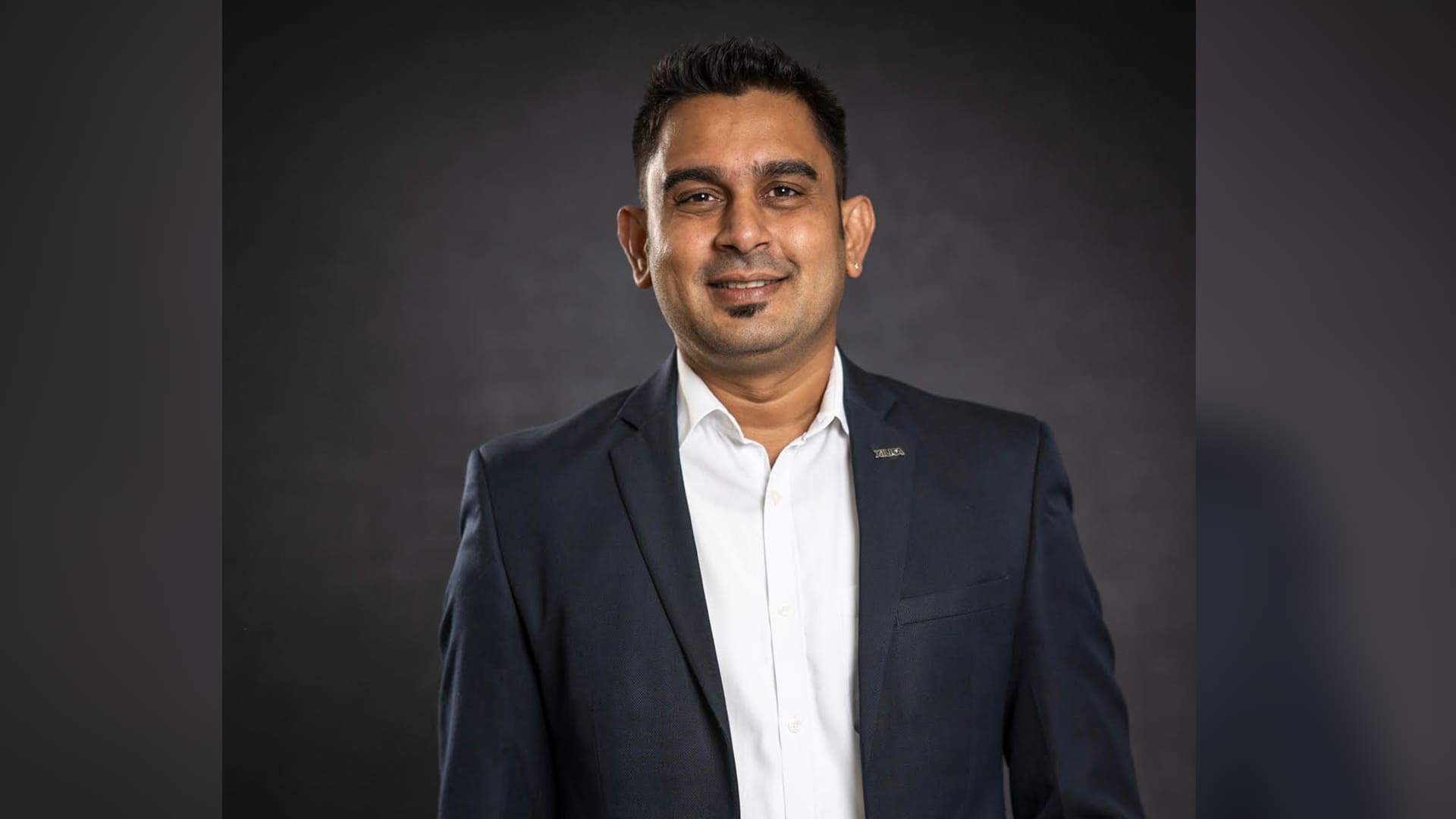
Mitesh, Pleneo is a new name in the market, but it comes from a very experienced team. Let’s start at the beginning – why was Pleneo created?
Mitesh Lahoti:
Pleneo was created to solve a very real and growing problem we see across India and globally: medium and large meeting rooms have become too complex to deploy and manage at scale.
Over the last decade, collaboration technology has evolved quickly – cloud platforms, AI features like transcription and intelligent meeting assistants, smarter cameras, better microphones. But the rooms themselves haven’t kept up. They still rely heavily on one-off design, on-site tuning, and lengthy commisioning.
Pleneo exists to change that. It’s about taking professional-grade AV performance and delivering it through simpler, IT-friendly workflows, so organisations can roll out high-quality rooms consistently, not just in boardrooms, but across campuses, enterprises, and education environments.
AV Today India: Many readers will already know Xilica. How is Pleneo different from Xilica?
Mitesh Lahoti:
That’s a great question — and an important one.
Xilica is a technical, customizable brand. It’s trusted by our partners who want flexibility, open architecture, and full control over complex systems. It’s very powerful, but assumes a high level of expertise.
Pleneo is intentionally different.
Pleneo is designed for scale and repeatability. Instead of asking customers or partners to design every room from scratch, Pleneo provides pre-engineered room systems that combine hardware, software, and cloud management into a single, coherent platform.
You can think of it this way:
- Xilica gives you the tools to build anything
- Pleneo gives you a system that works out of the box — and keeps working over time
They serve different needs, and different users.
AV Today India: So who is Pleneo really for?
Mitesh Lahoti:
Pleneo is designed to bridge the gap between AV and IT.
In many organisations today, IT teams are responsible for collaboration platforms, security, and cloud management — while AV teams handle the physical room.
Pleneo brings those worlds together.
It allows AV to deliver high-quality, well-designed rooms, while giving IT the consistency, visibility, and manageability they expect from modern technology platforms.
For customers, that means fewer surprises, faster deployment, and rooms that behave the same way everywhere.
AV Today India: What are the biggest problems Pleneo is solving for customers in real-world deployments?
Mitesh Lahoti:
There are three core problems we hear repeatedly:
First: Complexity.
Medium and large rooms often involve multiple vendors, specialised tuning, and lengthy commissioning cycles. That makes them challenging to scale.
Second: Inconsistency.
One room works perfectly, the next doesn’t. Settings drift, hardware gets changed, and suddenly the experience varies across locations.
Third: Operational overhead.
Once rooms are live, managing them becomes expensive — site visits, re-tuning, troubleshooting issues that shouldn’t exist in the first place.
Pleneo addresses all three by standardising the room as a system — not just a collection of devices.
AV Today India: Can you explain what makes Pleneo technically different without getting too deep into the specs?
Mitesh Lahoti:
At a high level, Pleneo is built around a unified hardware + software platform, rather than standalone products.
The system understands the room — the microphones, speakers, cameras, and layout — and manages them as a complete environment. That allows for automated setup, consistent behaviour, and ongoing optimisation over time.
Importantly, Pleneo is designed with cloud deployment and lifecycle management in mind from day one. That’s critical as organisations look to scale collaboration spaces in the same way they scale laptops, networks, or SaaS tools.
AV Today India: How does this resonate in the Indian market specifically?
Mitesh Lahoti:
India is a perfect market for this approach.
We’re seeing rapid growth in enterprise campuses, global capability centres, higher education, and hybrid workplaces — all of which rely heavily on medium and large meeting spaces.
At the same time, customers want faster rollouts, predictable costs, and fewer dependencies. Pleneo aligns very well with those expectations.
It allows partners to focus less on repetitive engineering work and more on delivering value — design, integration, and customer success.
AV Today India: Finally, how would you summarise Pleneo in one sentence for our readers?
Mitesh Lahoti:
Pleneo is about making professional, large-room collaboration simple to deploy, simple to manage, and easy to scale — without compromising on quality.