Museums, experiential centers and the business of immersive culture
How AV technology, integrated systems, and new investment models are transforming cultural destinations and shaping the future of experience-led infrastructure in India.
The experience economy: A new opportunity for AV
India’s experience economy is entering a new phase, driven by shifting audience expectations, expanding tourism infrastructure, and the convergence of AV technology, architecture, storytelling, and digital interaction. Museums, heritage destinations, experiential centers, and cultural institutions are increasingly exploring ways to move beyond conventional displays and deliver more engaging, immersive visitor experiences.
For the AV industry, this shift offers opportunities that extend well beyond deploying equipment. Integrated projection, LED displays, spatial audio, media servers, interactive technologies, and centralized control systems are becoming essential components of experience-led environments.
The business proposition is changing, too. Projects are increasingly judged not only by technical specifications but also by their ability to engage audiences, operate reliably, support commercial objectives, and remain relevant over time.
India is well positioned to develop this sector. Its cultural heritage, architectural landmarks, scientific institutions, and expanding urban destinations offer significant potential for technology-enabled experiences. The challenge is to translate these assets into environments that are compelling for visitors, practical to operate, and financially sustainable.
From traditional displays to immersive environments
Traditional museums and cultural spaces rely on physical exhibits, printed interpretation, displays, and guided tours. These remain valuable, but AV technology offers new ways to communicate.
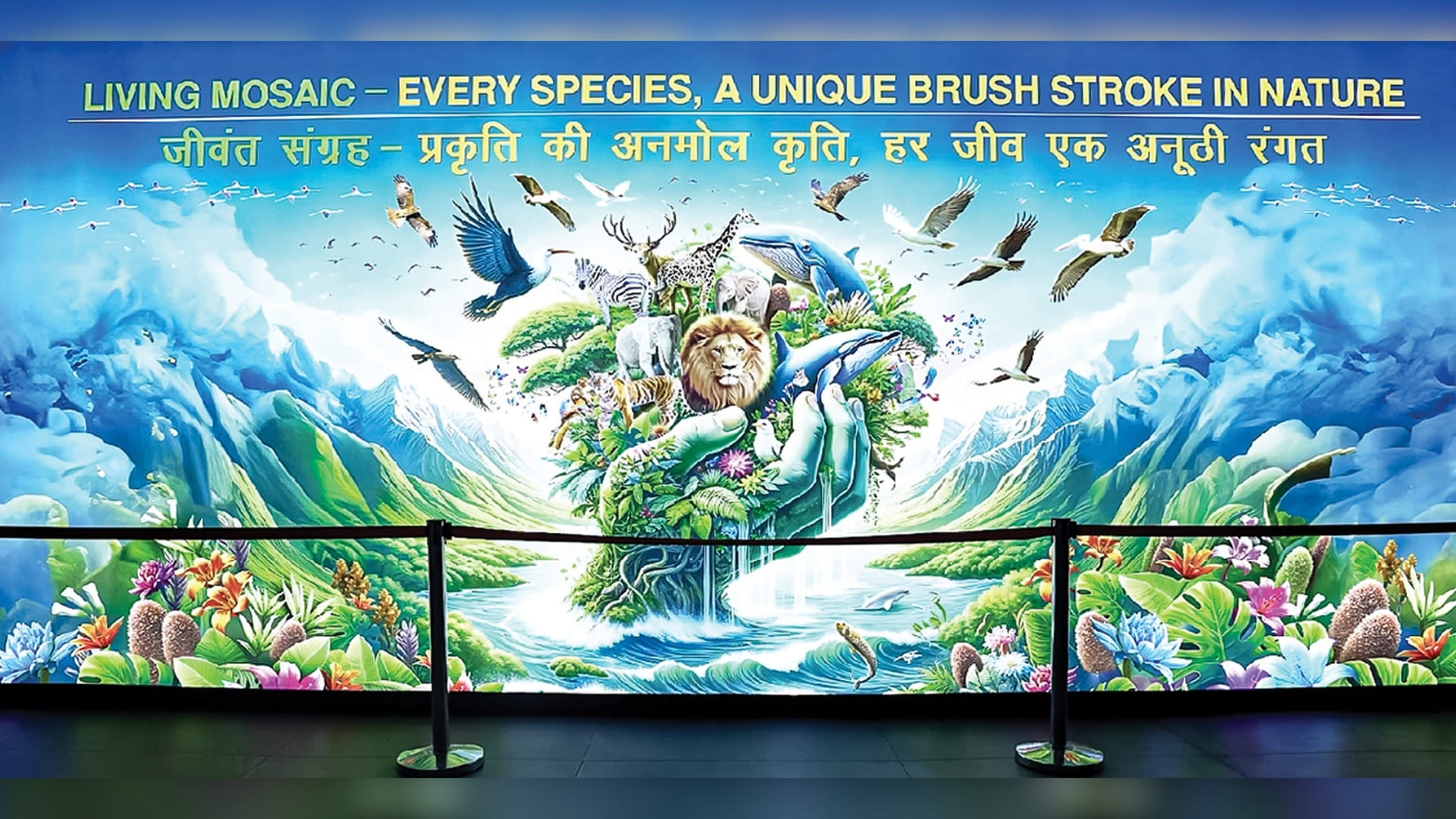
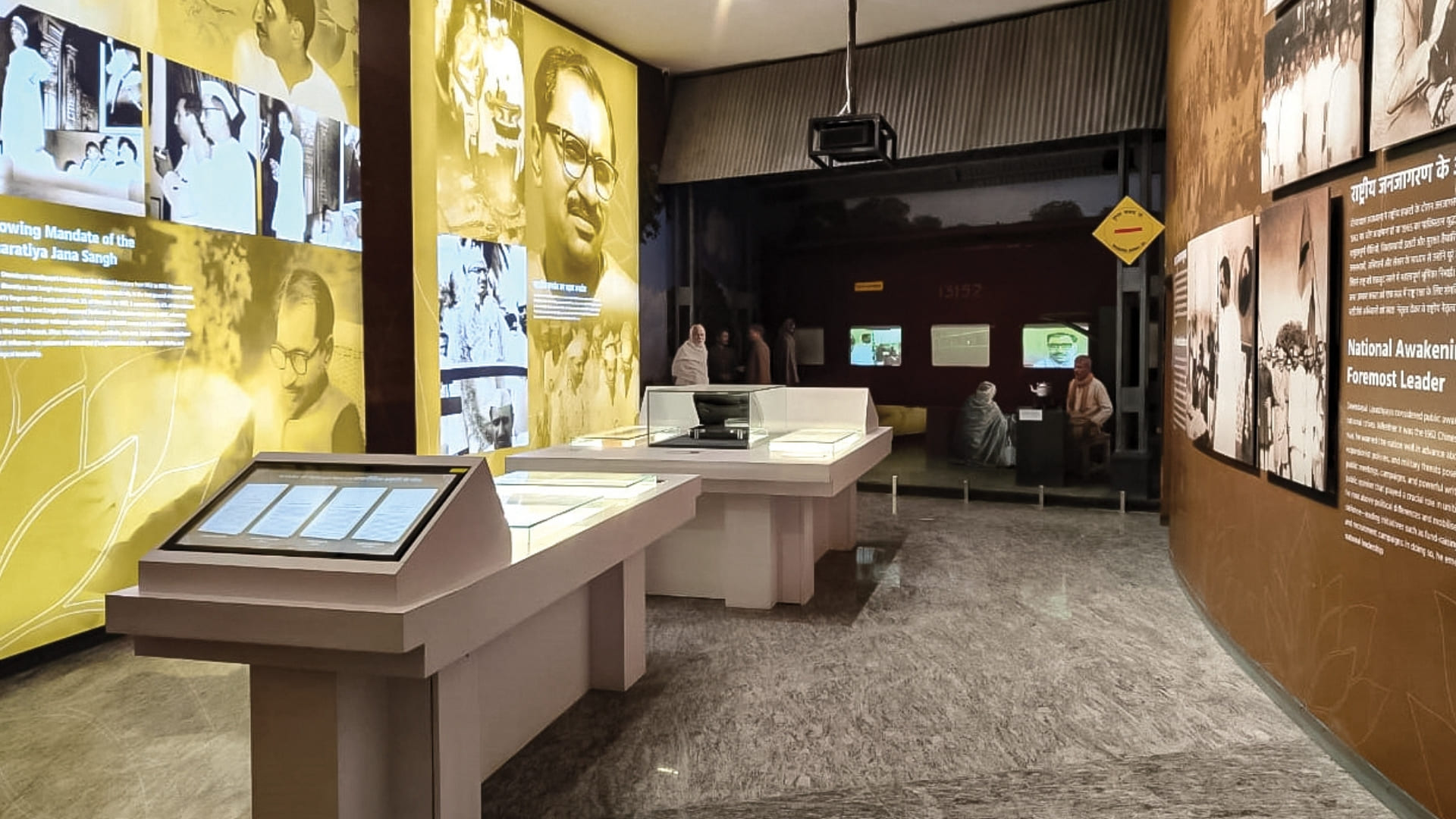
Projection mapping turns architecture into storytelling environments; LED displays create visual focal points, and spatial audio builds atmosphere and narrative continuity. Interactive systems let visitors explore at their own pace, making experiences more participatory. These applications serve museums, heritage sites, science centers, retail and entertainment venues, and immersive attractions.
Immersion depends on more than scale or spectacle. High-resolution displays cannot rescue weak content, and advanced audio adds little without proper acoustic design. Technology should serve a clear purpose, with creative, architectural, and technical decisions aligned.
AV consultants and integrators should join projects early to coordinate equipment, infrastructure, sightlines, lighting, acoustics, maintenance access, and content within an integrated design.
Museums as destination assets
Museums increasingly serve not only to preserve collections and inform, but also to support tourism, education, and local economies.
Immersive environments make complex subjects accessible. AV presentations bring history to life, while interactive experiences and visual simulations explain scientific and educational concepts.
The AV industry can create reliable systems that engage visitors and meet institutional needs across permanent exhibits, scheduled shows, temporary exhibitions, and educational programs. Solutions must adapt without compromising conservation.
Lighting, heat, fabrication, spatial design, vibration, acoustics, and installation methods affect suitability. Heritage sites add constraints when surfaces cannot be altered or structures need protection.
Success depends on coordination among curators, architects, conservation specialists, designers, fabricators, content creators, AV consultants, and integrators. Technology should enhance a place’s significance, not overwhelm it.
The business case for private experiential centers
Alongside museums and public cultural projects, private experiential centers offer a distinct commercial opportunity, including immersive art venues, family attractions, and experience-led shopping, hospitality, and mixed-use developments.
Unlike publicly funded institutions, private operators assess attendance, ticket prices, operating costs, repeat visits, and revenue potential. Investment depends on attracting audiences consistently while remaining viable.
Technology partners can support more than equipment installation: they may help plan experiences, design systems, integrate content, manage technical operations, and deliver upgrades.
Real estate, retail, lifestyle, automotive, and e-commerce groups increasingly invest in immersive brand environments to build credibility, strengthen positioning, and showcase products and capabilities.
To encourage repeat visits, attractions need flexible content, seasonal programming, temporary installations, and refreshed narratives that extend their lifespan without a complete rebuild. The goal is to balance initial impact with long-term operational value.
Integration is the real differentiator
As immersive environments grow more sophisticated, the challenge is coordinating entire systems, not just selecting devices. Projectors, displays, media servers, audio processors, lighting controls, networks, and interactive interfaces must work reliably together. Synchronization, signal distribution, network performance, and redundancy are vital, as failures can disrupt shows or visitor experiences.
AV-over-IP, centralized monitoring, and remote diagnostics offer flexible infrastructure and help detect faults early. They require careful network design, bandwidth planning, access controls, and clear maintenance procedures.
“Reliability should be designed into the project rather than treated as an afterthought. Critical installations may require backup playback systems, redundant signal paths, spare equipment, and documented recovery processes,” said Vipin Pathak, Project Analyst at Magical Theatre.
System integrators increasingly distinguish themselves by delivering dependable, end-to-end environments, not simply capable individual products.
Content, technology and return on investment
An immersive experience relies on both technical infrastructure and content: technology defines what is possible, while storytelling gives audiences a reason to engage.
Develop content around the physical space and AV capabilities. Resolution, aspect ratio, projection surfaces, viewing distance, sound, and playback requirements shape the result. Addressing them late can lead to compromises, revisions, and extra costs.
“Content must be developed in close alignment with the technology and the space where the experience will unfold. The narrative, visual language, sound design, and audience journey need to be considered together from the earliest stages of production. Technology should not simply present a story; it should become an integral part of how the audience experiences it,” said Asha Kiran, Executive Producer at Magical Theatre.
This integrated approach supports return on investment. Assess not only installation costs, but also visitor satisfaction, dwell time, repeat attendance, operating efficiency, maintenance, and programming or commercial partnerships.
Public institutions may also measure educational reach, cultural preservation, and community engagement. Private entities may prioritize brand credibility, storytelling, and a distinctive platform to express their identity, vision, and capabilities.
No single financial model suits every project. Define the audience, operating goals, revenue sources, and performance measures early to align creative ambition with commercial realities.
Collaboration and the road ahead
India’s experience economy requires collaboration among AV manufacturers, technology consultants, system integrators, architects, developers, operators, and content specialists.
Magical Theatre, an artist-led creative technology company focused on immersive storytelling, architectural projection mapping, and cultural environments, has appointed Rahul Bhardwaj as Global Business Head. He will lead business development, intelligence, strategic partnerships, global expansion, marketing, communications, and growth.
Opportunities for India’s AV sector extend beyond domestic projects. International cultural, tourism, and entertainment developments offer Indian companies roles in technical integration, content development, and creative technology partnerships.
Sustainability will grow in importance. Energy-efficient equipment, appropriately sized systems, modular infrastructure, and planned maintenance can lower operating costs and extend equipment life. Upgrade-ready designs and replaceable content allow destinations to evolve without unnecessary reconstruction.

Founder and Creative Director, Magical Theatre
With over 15 years in creative design, immersive storytelling, and experiential technology, I have partnered on content and design for museums including the Summer Palace Museum, Amritsar; Global Vipassana Pagoda Museum, Mumbai; and RPS Museum. Upcoming projects include the Waste Management Awareness Museum, Moradabad, and Matsyagandha, Bihar. I have also created immersive experiences and bespoke simulators for private equity brands such as Signature Global. Opportunities are growing among private equity-backed ventures and brands seeking stronger credibility, positioning, and audience engagement through experiential environments.
India’s next phase of experience-led development depends on combining creative ambition with engineering discipline and commercial acumen. Museums, experiential centers, and cultural destinations are integrated environments where technology, content, and business strategy must work together—not simply venues for AV equipment.
The AV industry can move beyond supplying systems to become a strategic partner in creating destinations that educate, engage audiences, and deliver lasting value.