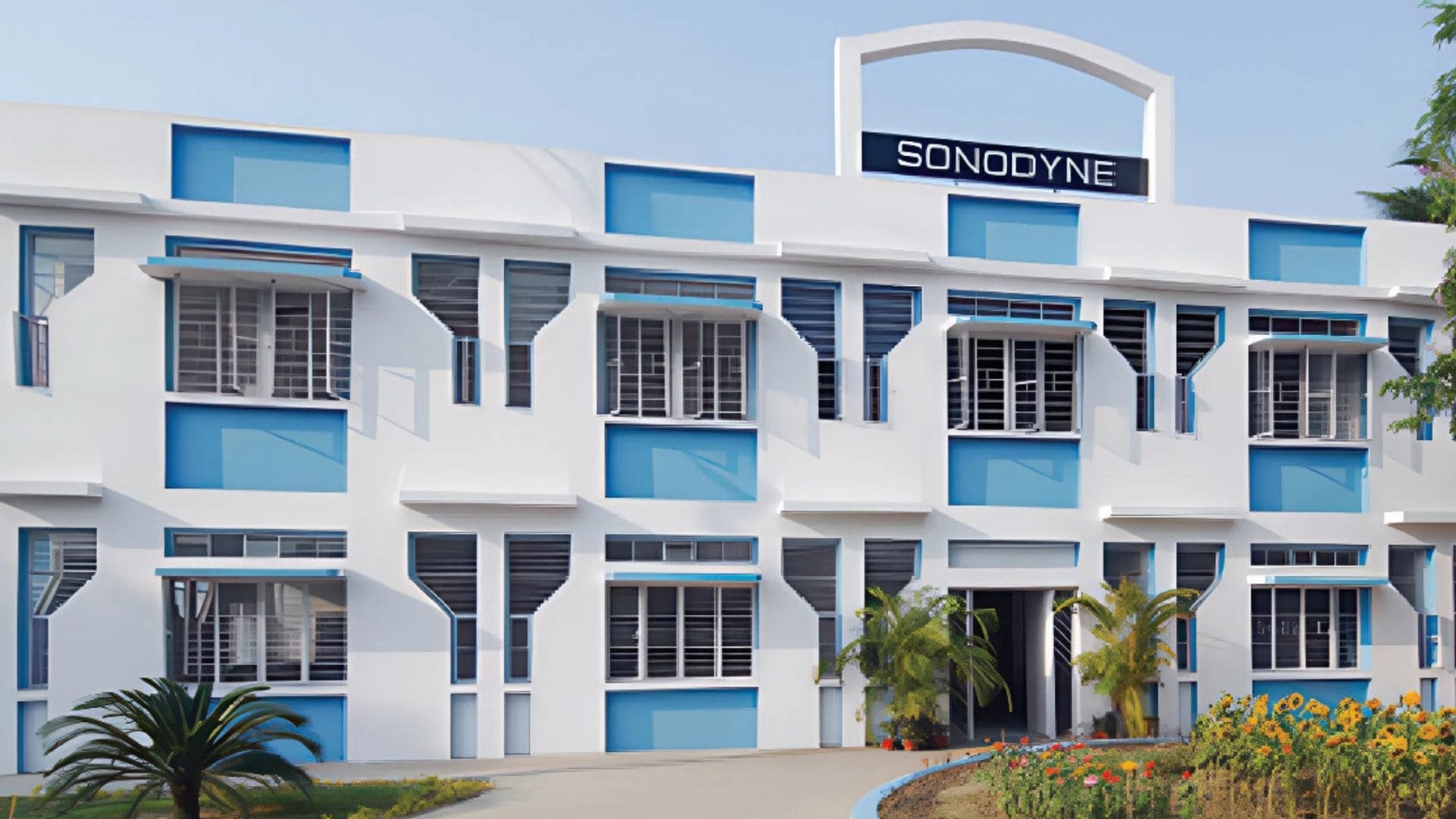

Managing Director, Sonodyne
From a humble workshop in the early 1970s to a globally respected audio brand, Sonodyne’s journey is one of engineering conviction, creative resilience, and an unwavering commitment to the craft of sound. AV Today sat down with the company’s current steward to trace the arc of one of India’s most enduring homegrown audio institutions.
In an industry often dominated by global conglomerates, Sonodyne stands as a remarkable testament to Indian engineering and enduring creativity. Now in its 56th year, this Kolkata-born stalwart has evolved from a pioneering “Make in India” start-up in the 1970s into a globally respected name in high-fidelity and professional audio. With a footprint spanning professional studios and premium residential spaces, Sonodyne continues to demonstrate that “honesty to the craft” is the ultimate competitive advantage.
We sat down with Anindya Mukherjee, Managing Director and son of founder Ashoke Kumar Mukherjee, to discuss the company’s journey from the early days of hi-fi to the modern era of Dolby Atmos and Audio over IP.
A legacy of indigenous innovation
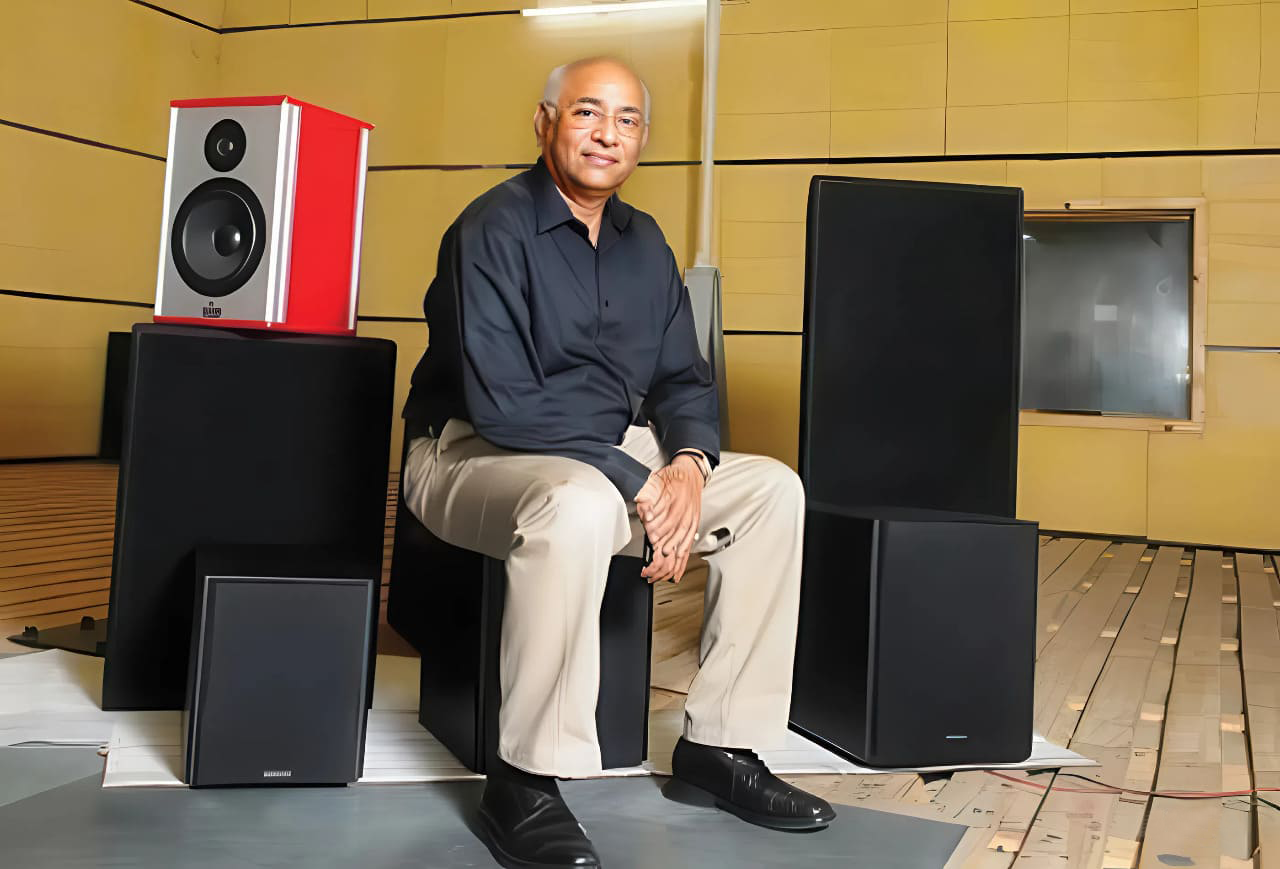 The Sonodyne story began in the early 1970s, when the Indian entrepreneurial landscape for high-end electronics was virtually non-existent. Founded by Ashoke Kumar Mukherjee, an IIT Roorkee graduate with a “burning desire” to build world-class electronics, the company was an early practitioner of indigenous manufacturing long before it became a national slogan.
“My father started with a genuine desire to create,” Anindya reflects. “He built a cult brand from scratch, developing everything from R&D and supply chains to distribution and customer service in a very difficult environment.” Today, that same spirit of resilience and creativity remains the cornerstone of the business. Rather than radical change, Anindya describes his leadership as a “dynamic re-alignment”, ensuring the company’s deep-rooted values stay in sync with a market in constant flux.
Roots in conviction
Sonodyne was not born solely out of market opportunity; it was born out of determination. In the early 1970s, when India’s entrepreneurial landscape offered little precedent for high-fidelity audio, Ashoke Kumar Mukherjee, a graduate of IIT Roorkee, set out to build something he believed in: exceptional electronics made in India.
“He hailed from very humble beginnings,” says Anindya. “There was no precedent in hi-fi audio, and the environment was difficult for entrepreneurs. It was the genuine desire to create and extreme resilience that nurtured Sonodyne. Neither of those traits has changed for the company, 56 years on.”
Those early years demanded enormous sacrifice. Building an audio brand from scratch, developing R&D capabilities, establishing supply chains, creating distribution networks, and earning consumer trust was a formidable undertaking in a pre-liberalisation India. Yet through collective commitment, the founding team built what would become a cult brand, one that has outlasted generations of competitors and market disruptions alike.
Continuity and dynamic realignment
When the current leadership took over the business, the question was not what to dismantle but what to consciously preserve. The answer was clear: the value system at the core of Sonodyne, resilience and creativity, was not up for revision.
“With such a strong core, change is not what is desired; dynamic alignment is,” Anindya explains. “With the market in constant flux, alignment is the tricky bit. Our task, of late, has been to align our efforts and investments with market dynamics and potential opportunities. We are quite well aligned now for the next phase of significant growth.”
This philosophy of adaptation without compromise has guided Sonodyne through several defining crises. The economic liberalisation of the 1990s, which flooded Indian markets with foreign competition, and the Covid-19 pandemic both threatened the company’s existence. What carried Sonodyne through each storm was a combination of core engineering depth and the flexibility to pivot between consumer and professional audio segments as market conditions demanded.
“It is pure resilience, commitment, and the ability to pivot that allowed us to sustain,” he says. “And this pivoting came primarily from two things: core engineering abilities and longstanding goodwill with consumers, globally.”
The engineering imperative
At the heart of Sonodyne’s identity is an R&D culture that treats innovation not as a project but as a permanent state of being. The company invests continuously in acoustic waveguide design, transducer development, DSP engineering, alternative enclosure materials, and power amplification, building what its leadership describes as a technological arsenal that can be deployed as market opportunities emerge.
“We view R&D as a constant, relentless commitment,” he says. “Doing this over a prolonged period creates an arsenal of options that can be turned into products. From the very beginning, R&D is constantly engaged in ideation, prototyping, and creating options. This is priceless in a dynamic, fragmented market.”
This investment in indigenous R&D and manufacturing has yielded dividends beyond products alone. By keeping these capabilities in-house from the very beginning, Sonodyne retained control of its destiny, both in product design and in supply chain management. Perhaps more significantly, it cultivated successive generations of engineers who have passed down institutional knowledge organically.
“We created a generation of engineers who championed the cause and also groomed the next generation. This baton passed organically, and this is the key element in building identity and legacy.”
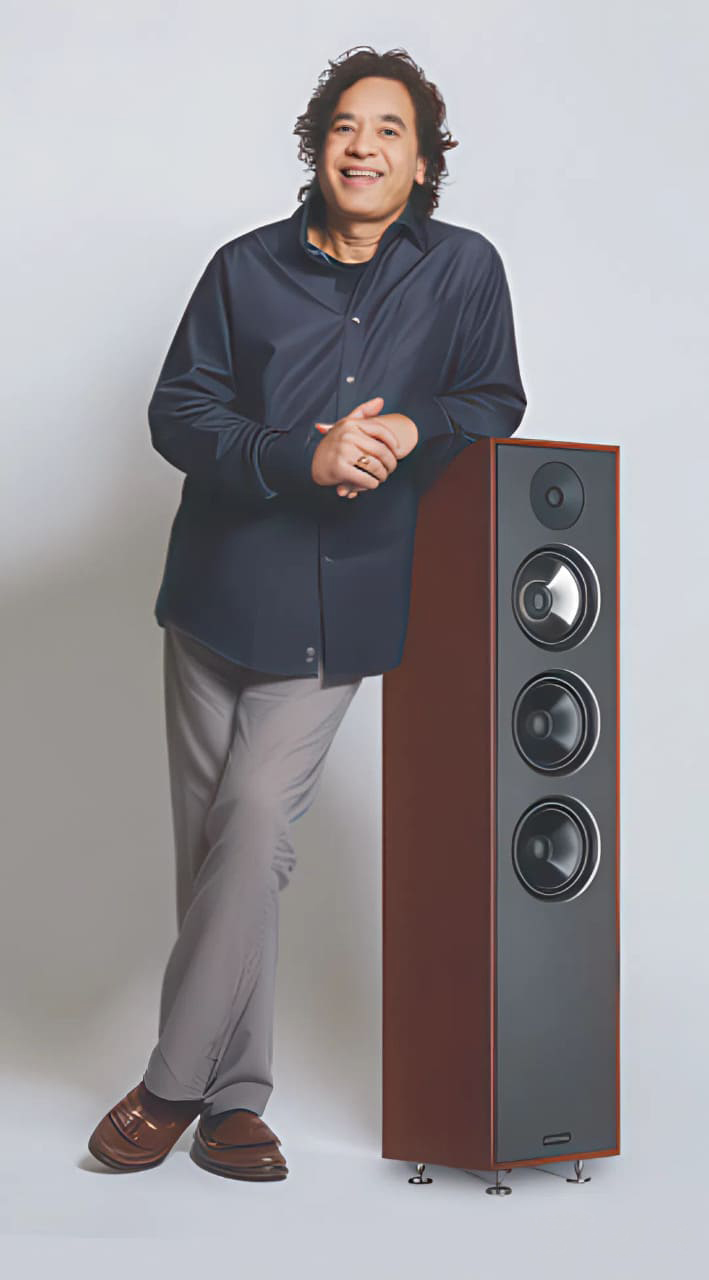 For aspiring homegrown brands looking to follow a similar path, the barriers are real: access to skilled human talent, mature supply chains, and adequate capital remain significant challenges.
Sonodyne’s answer to this is time and tenacity. “I am sure others can too, with passion and dedication, and alignment with a large and growing market,” he says.
Where music meets engineering
One of the more distinctive elements of Sonodyne’s story is the influence of music on its product philosophy. The current head of the company is himself a musician, and he argues that this dual identity is a creative tension rather than a contradiction.
“Musicians feel. Engineers analyse. This creates a constant tension, which is excellent. It is quite counterintuitive that out of this seeming dichotomy, winning products are created.” The result, he says, is a sonic signature characterised by exceptional emotional detail and fatigue-free sound for long listening sessions, qualities that distinguish Sonodyne products in both professional and residential markets.
Nowhere is this philosophy more fully realised than in the company’s studio monitor range, which he singles out as the product line that best encapsulates Sonodyne’s engineering strengths. Combining proprietary amplifier and transducer technology, aluminium cabinetry, and precision DSP tuning, the monitors serve content creators, musicians, and sound designers, and connect the brand organically to the global music community.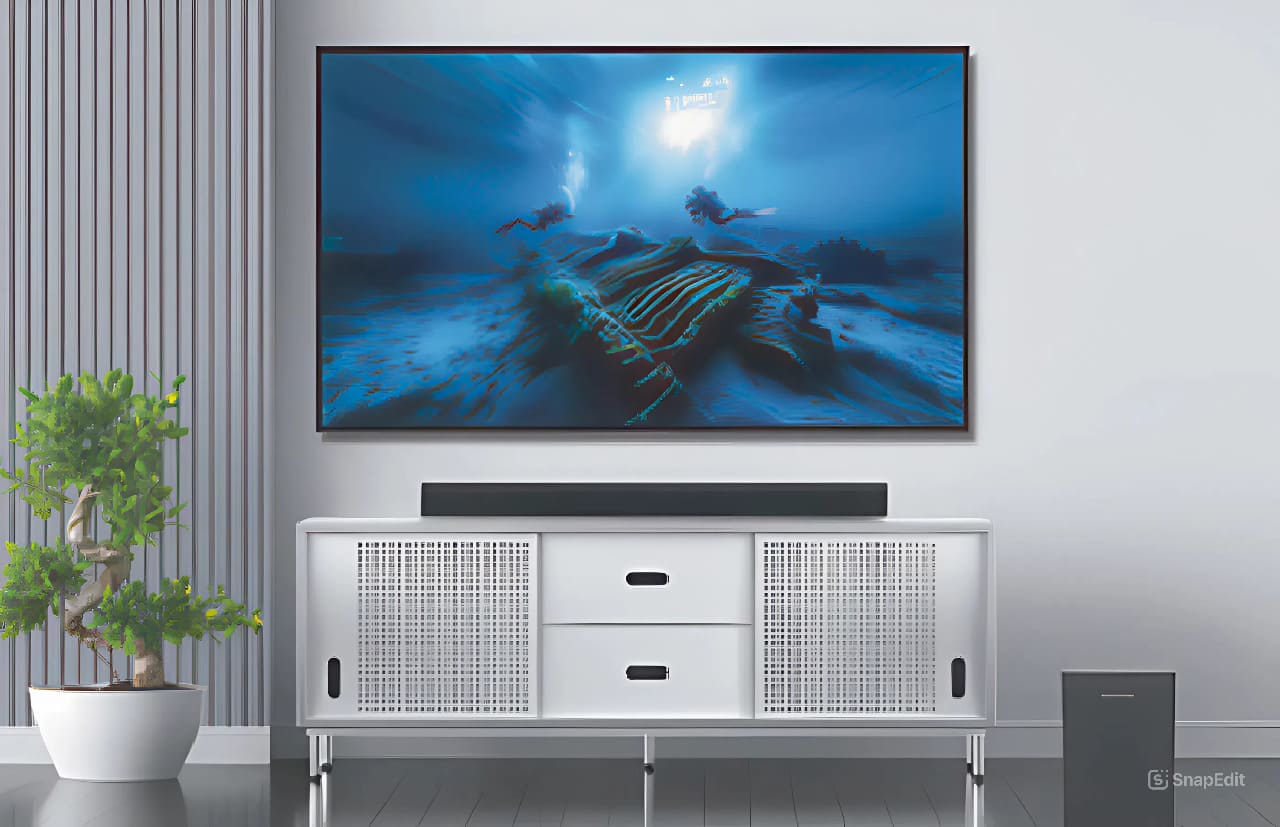
“It is a relatively small marketplace, but it embodies everything that we learned and believe in,” he says.
Reading the Indian market
India presents a paradox for premium audio brands. It is among the largest and fastest-growing audio markets in the world, yet the overwhelming majority of the market remains intensely price-driven. The premium segment, where Sonodyne operates, is comparatively modest in scale but is growing faster and commanding meaningfully better returns.
“The pyramid skew, where the base is much larger, is what is different about India,” he observes. “Those targeting the base are focused on supply chains, white-labelling, and price- and celebrity-based promotions. Those in the premium segment have to focus on the craft of audio.” In this sense, he notes, competing in India’s premium audio space is no different from competing anywhere else in the world.
The proliferation of white-label products, largely sourced from China, has reshaped the mass market. Sonodyne has chosen not to compete
in that space. Instead, the company has deepened its position in the premium professional and residential segments, where differentiation
through engineering and brand authenticity carries genuine weight.
The road ahead
As Sonodyne moves into its sixth decade, its leadership sees the current moment as one of alignment and acceleration rather than
consolidation. The explosion of OTT platforms has created unprecedented consumer demand for high-quality audio reproduction,
and the company’s capabilities, spanning Dolby Atmos integration, wireless audio, and audio-over-IP, position it squarely within this
evolving landscape.
“A rising tide raises all ships,” he says. “India’s growth story is well on its way, and everyone who is committed should do well.” But he is quick to acknowledge that riding that tide requires constant navigation of market fragmentation, competitive intensity, and organisational alignment.
The next decade, he believes, will be Sonodyne’s strongest yet, a view grounded not in optimism alone but in the hard-won confidence of a company that has survived everything the market has thrown at it. “We have weathered terrible storms and we are still standing,” he says. “We are confident we shall rise.”
For an industry that often prizes novelty over longevity, Sonodyne’s 56-year arc offers a compelling counterpoint: that the deepest competitive advantage is not the latest technology but the culture and conviction to keep building, decade after decade.