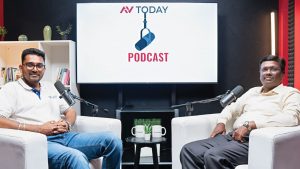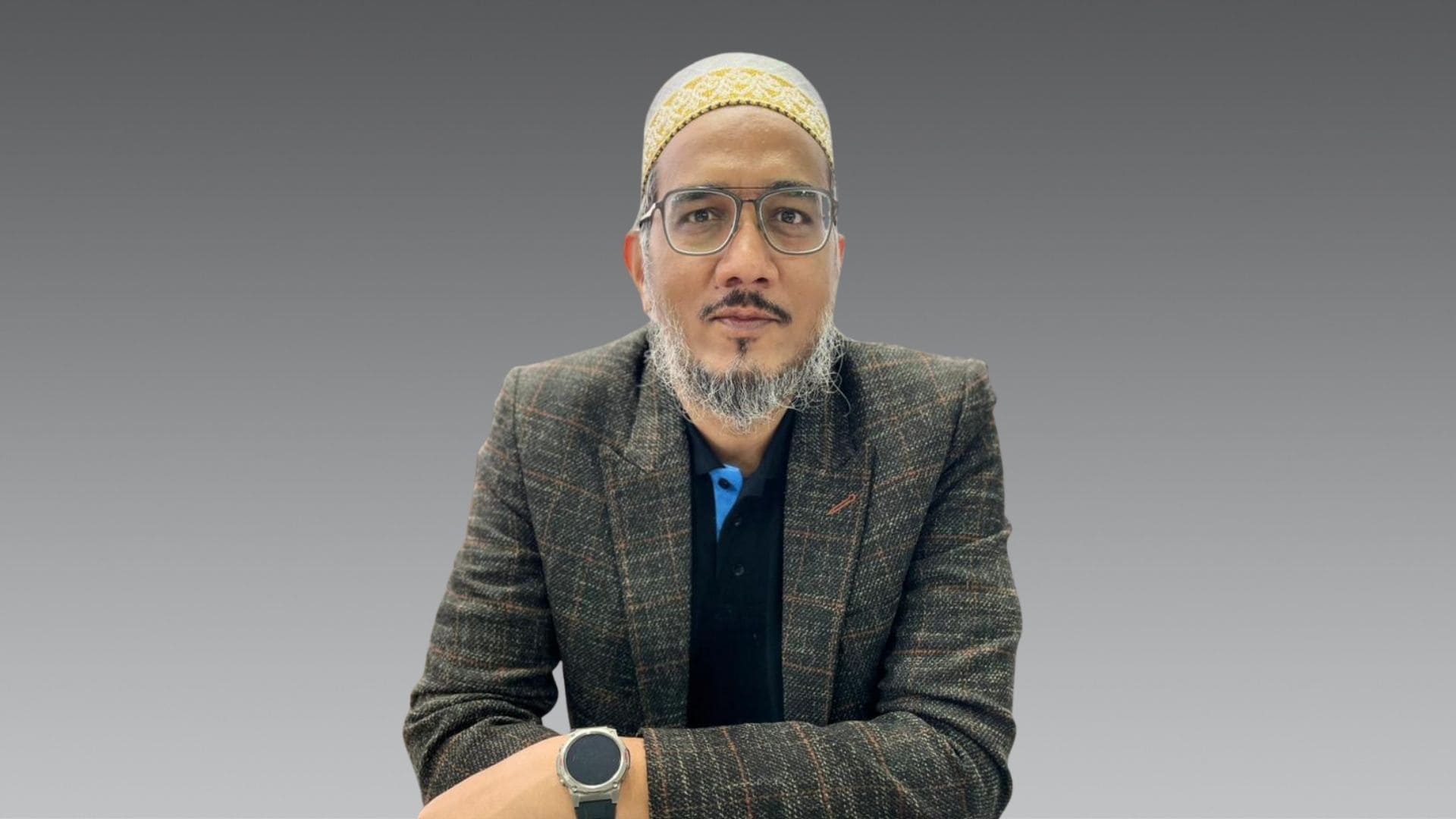
For more than twenty years, the Pro AV and IT sectors have undergone rapid evolution, transitioning from specialized installation industries to essential components of corporate real estate and digital strategy. Currently, this transformation necessitates leaders capable of bridging the gap between technical complexity and overarching business value. Following his recent appointment as CEO of Solutions India Systems Pvt Ltd (SISPL) and being awarded an Honorary Doctorate in Innovation and Technology, Dr. Mustafa Rampurawala positions himself at the forefront of this industry convergence. In an exclusive feature for AV Today, Dr. Mustafa articulates his vision for scaling SISPL through operational discipline, addressing the realities of enterprise AI, expanding into high-growth markets, and developing a future-ready workforce.
Moving from strategy to execution
Steering a legacy systems integrator through a period of rapid growth necessitates a fundamental shift from strategic planning to operational execution. The appointment of Dr. Mustafa signifies a transition from overseeing project implementation to guiding the company’s comprehensive strategic vision. This new directive is underpinned by a clear operational philosophy: sustainable growth is rooted in execution excellence rather than solely in ambitious planning.
To effectively scale SISPL in the upcoming years, Dr. Mustafa has concentrated on three core pillars: enhancing operational efficiency through strengthened project governance and investments in digital tools to uphold the quality of the SISPL brand during expansion; fostering customer-centric innovation by coordinating sales, engineering, and customer success teams to ensure solutions align with client business objectives; and promoting talent development to cultivate a culture of continuous professional growth and interdisciplinary expertise.
“Ultimately, our aim is not merely to expand,” explains Dr. Mustafa, “but to become more agile, innovative, and valuable to our clients.” Reflecting on his recent academic accolade, he remarks that the Doctorate acknowledges the broader influence of technology integration and professional leadership, thereby reinforcing his longstanding commitment to establishing new industry standards.
Blueprint for targeting high-growth markets in Hyderabad
A significant component of SISPL’s scaling strategy involves targeted geographic expansion into high-growth Indian business hubs, with Hyderabad identified as a critical priority. The city has swiftly transformed into one of India’s most dynamic technology and enterprise centers, attracting multinational corporations, pharmaceutical giants, global capability centers (GCCs), and technology firms. According to Dr. Mustafa, Hyderabad’s enterprise landscape is marked by an accelerated adoption of digital transformation. Modern organizations in the region no longer perceive AV solutions merely as utility communication tools; instead, they regard them as strategic investments in workplace experiences, employee engagement, and overall corporate productivity.
SISPL’s strategic plan for capturing this competitive market hinges on establishing a strong local presence supported by highly skilled technical personnel, comprehensive customer engagement, and prompt service delivery. By leveraging the company’s extensive portfolio in designing intelligent workplaces, command-and-control centers, advanced collaboration environments, and immersive experiences, the expansion aims to achieve more than merely increasing market share. The overarching vision is to contribute directly to the local industry by developing future ready workplaces that serve as benchmarks within the realm of corporate real estate.
An AI workplace reality check
As organizations worldwide rush to implement Artificial Intelligence, distinguishing practical operational value from marketing hype remains a significant challenge for corporate decision-makers. Addressing themes central to his panel at InfoComm Asia, Dr. Mustafa offers a practical systems-integration perspective on where AI genuinely delivers measurable ROI versus where it remains speculative.
Where AI works
AI is delivering tangible outcomes in the enterprise landscape through areas such as intelligent meeting room automation, workplace analytics for AV/IT hardware, and enhancements like real-time speech transcription, multilingual collaboration tools, and automated content summarization.
Where AI fails
Conversely, the primary shortfall occurs when enterprises expect AI alone to resolve deeper organizational, structural, or cultural challenges. Technology can optimize existing workflows, but it cannot substitute for clear business objectives, structured employee adoption frameworks, or organizational discipline.
As a systems integrator, SISPL’s responsibility is to identify use cases where AI resolves authentic business hurdles rather than deploying tools solely because they are trending. Navigating this shift requires a commitment to customer education, ensuring that clients deploy automated technologies with clarity, realism, and a focus on verifiable outcomes.
The evolution of the experience center
The methodology underlying client consultation has experienced a significant paradigm shift. In 2008, SISPL acknowledged that enterprise clients required hands-on interaction, tactile engagement, and experiential familiarity with complex systems prior to committing capital, which led to the establishment of their inaugural state-of-the art experience centers. Currently, the concept of the “Experience Center” has transformed from a mere product demonstration facility into a comprehensive business transformation environment. Clients no longer visit solely to assess individual hardware components or standalone devices. Instead, they seek to engage with complete integrated workflows, hybrid collaboration models, and cohesive employee experiences.
Contemporary experience spaces must effectively showcase hybrid collaboration configurations, immersive environment designs, workflows enabled by artificial intelligence, smart building integrations, and workplace analytics platforms. These environments serve as educational venues, assisting corporate leaders in visualizing precisely how technology can enhance communication, cross-functional learning, and executive decision-making when implemented within real-world contexts.
Bridging the convergence of IT and Pro AV
The modern enterprise ecosystem requires an interdisciplinary approach. Unified Communications (UC) platforms and corporate IT networks now integrate with traditional Pro AV infrastructure, making systems networked, software-driven, cloud-connected, and data-dependent. Dr. Mustafa’s twenty-year dual background in the IT and AV sectors offers a unique perspective on managing large-scale integrations. Rather than viewing AV, IT, security, networking, and collaboration as separate silos, he considers them interconnected parts of a unified digital ecosystem. This cross-disciplinary approach enables integration teams to engage more effectively with stakeholders such as CIOs, IT directors, facility managers, and workplace strategists. The outcome is scalable, secure, and manageable solutions, future-proofed against changing technologies.
Cultivating a future-ready workforce
In a highly specialized and niche market such as Pro AV, the competition for talent acquisition and retention remains exceptionally intense. Dr.Mustafa’s fundamental leadership philosophy is anchored in a clear principle: prioritize investing in people prior to investing in technology.
SISPL Technical Workforce Development Model:[Continuous Certifications] + [Cross-Functional Exposure] → [Industry Mentorship] → [Culture of True Ownership]
To ensure that technical teams are prepared for the future as the industry advances toward automated systems, immersive environments, cloud platforms, and cybersecurity integration, SISPL advocates a continuous learning model. Engineers and developers are trained to comprehend not only product specifications but also the broader business challenges faced by clients and emerging macroeconomic trends.
By integrating technical education with a culture of genuine operational ownership, team members are empowered to make critical decisions, address complex on-site issues, and assume accountability for project success. Mentoring the upcoming generation of AV professionals is essential to cultivating the technical expertise and business acumen necessary to support the industry’s next developmental phase.